
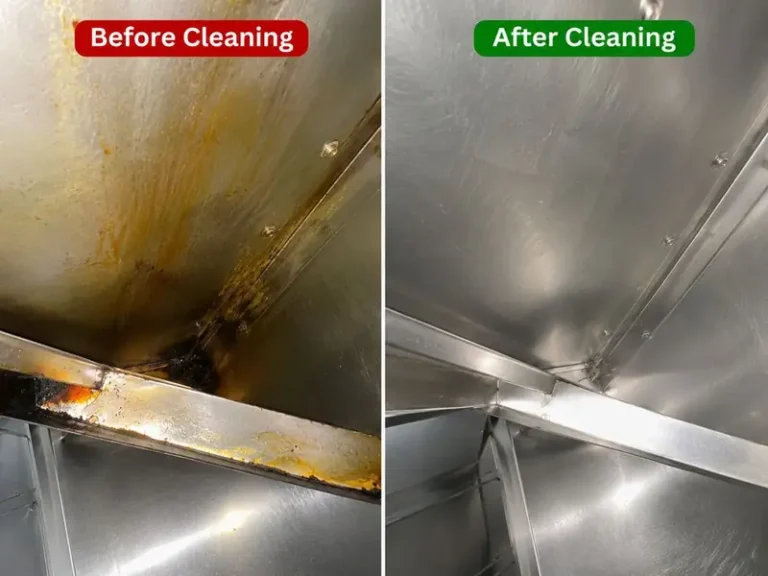
Grease filters
Baffle Filters vs Mesh Filters: Choosing and Cleaning Commercial Grease Filters
Baffle vs mesh filters: which suits your canopy? Grease filters are the first line of grease capture in your canopy. Here is how baffle and mesh filters differ, how to clean them safely, and what to check before buying replacements.
By Apex Commercial Exhaust · · 5 min read
Key takeaways
- Baffle filters use angled channels that make grease-laden air change direction; mesh filters trap grease in layers of mesh.
- Stainless steel baffle filters are widely used in commercial canopies and are designed to be cleaned and reused.
- Filters must suit your canopy's design, dimensions and the manufacturer's specifications.
- Use degreasers according to their safety data sheet and the filter manufacturer's instructions.
- Blocked or damaged filters should be cleaned or replaced, as they can restrict airflow and grease capture.
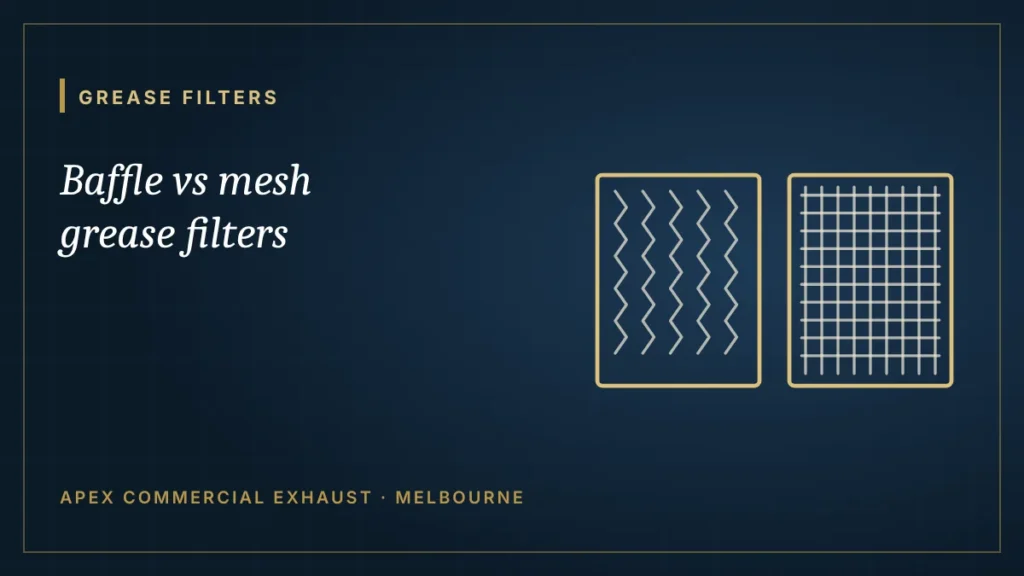
Most commercial canopies use one of two filter types: baffle filters or mesh filters. Both capture a portion of airborne grease before it reaches the plenum and ducts, but they work and clean differently. Here is how to compare them.
How each filter works
Baffle filters
Overlapping angled channels force air to change direction, so grease droplets drop out and drain away. Usually stainless steel.
Mesh filters
Layers of metal mesh trap grease as air passes through. Common in lighter-duty hoods.
Baffle vs mesh filters: choosing the right one
Filter choice depends on your canopy design, the required dimensions, material, grease capture requirements and the canopy manufacturer’s specifications. Use filters compatible with the installed system, and replace any filter that is damaged or no longer fits properly.
Read the practical differences
- Cleaning: baffle filters have open channels that are generally easier to degrease; mesh layers can hold grease deep inside.
- Durability: stainless steel baffle filters are built for repeated cleaning and reuse.
- Fit: gaps around any filter let grease bypass it, so correct sizing matters.
- Exchange programs: a filter exchange depends on finding compatible clean replacements for your canopy.
Cleaning filters safely
- Turn equipment off and let filters cool before removing them.
- Read the safety data sheet for your degreaser and use the recommended protective equipment. Safe Work Australia explains how to read and use safety data sheets.
- Soak and clean according to the filter manufacturer’s instructions.
- Inspect for bent channels, damage or poor fit.
- Refit correctly and log the date.
How often to clean grease filters
High-grease kitchens can need daily or weekly filter attention. As a published example, Vero’s risk guidance suggests filters be cleaned at least weekly, with heavy-use kitchens needing more. The restaurant fire safety guidance published with Fire and Rescue NSW notes that around four in five food businesses use contractors for this kind of maintenance. Filters are one part of the system: within the agreed scope, Apex cleans all accessible and reachable areas of the canopy, ducts and fan as well.
Frequently asked questions
Can stainless steel baffle filters be reused?
Many are designed to be cleaned and reused. Inspect them for damage and clean them according to the manufacturer’s guidance.
Can I swap mesh filters for baffle filters?
Only if the replacement filters are compatible with your canopy’s design and specifications. Check with the canopy manufacturer or a qualified mechanical contractor.
Do dirty filters reduce extraction?
Heavy contamination can restrict airflow, but poor extraction can have several causes and may need a broader assessment.
References & further reading
Government, regulator and Standards sources mentioned in this guide (links checked November 2026; requirements can change, so check the current version):
- Safe Work Australia, Understanding safety data sheets for hazardous chemicals (fact sheet)
- Vero Insurance (AAI Limited), RM Insight: Cleaning of ducts and flues
- Fire and Rescue NSW, NSW Rural Fire Service, ACT Fire Brigade and ACT Rural Fire Service, Restaurant fire safety
Need help with your kitchen exhaust? Apex Commercial Exhaust cleans canopies, exhaust ducts, rooftop fans and grease filters for commercial kitchens across Melbourne and Victoria.
This article is general information only and is not legal, insurance or compliance advice. Requirements for your kitchen depend on your system, building and obligations.
On this page
Free quote
Canopy, duct, exhaust fan and grease filter cleaning across Melbourne.
Keep reading
Related Guides
Maintenance
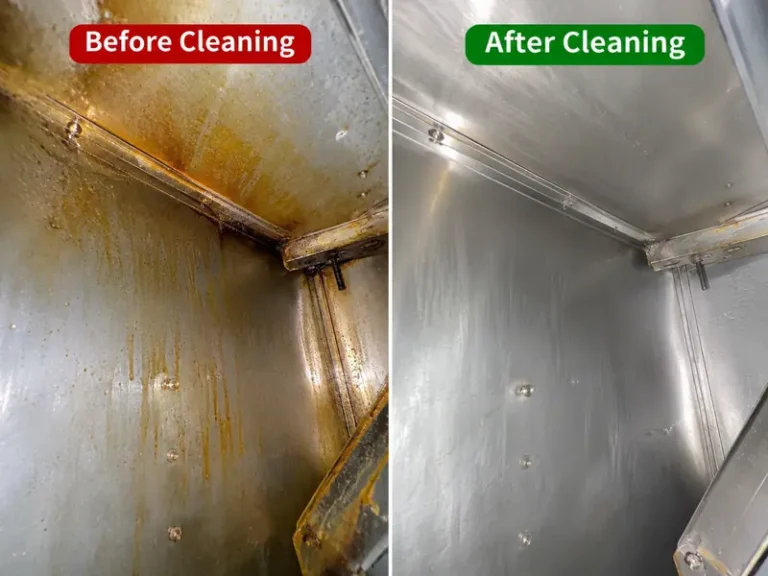
There is no single interval that suits every kitchen. Here is what decides how often your canopy, ducts, exhaust fan and grease filters need cleaning, and how to build a schedule around it.
· 6 min read
Costs & quotes
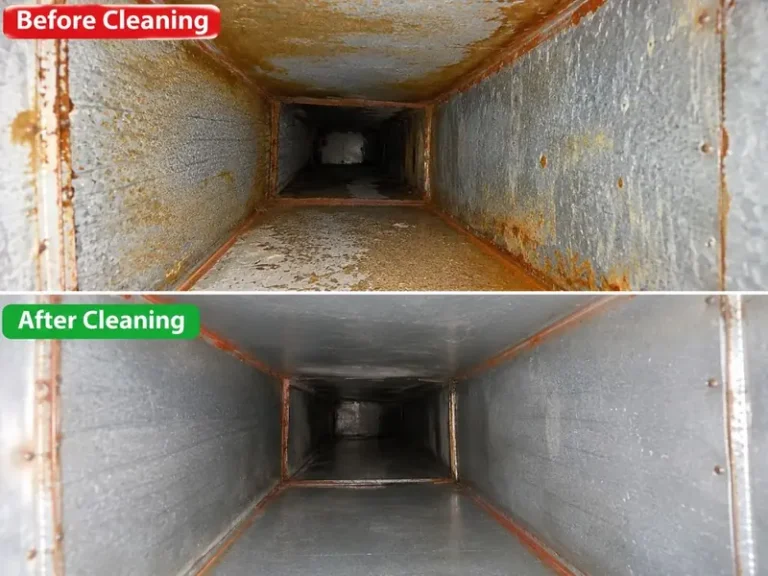
Kitchen exhaust cleaning prices vary widely because no two systems are the same. Here are the factors that shape a quote, and the details that help you get an accurate one quickly.
· 5 min read
Free quote
Get a Free Commercial Kitchen Exhaust Cleaning Quote in Melbourne
Helping keep your kitchen exhaust system cleaner, better maintained and ready for your next busy service.