
Maintenance
How Often Should a Commercial Kitchen Exhaust Be Cleaned?
Exhaust cleaning frequency is different for every kitchen. There is no single interval that suits every kitchen. Here is what decides how often your canopy, ducts, exhaust fan and grease filters need cleaning, and how to build a schedule around it.
By Apex Commercial Exhaust · · 6 min read
Key takeaways
- Cleaning frequency depends on cooking volume, cooking style, operating hours, system condition and your maintenance obligations.
- High-volume frying, grilling and chargrilling kitchens usually need more frequent cleaning than low-volume kitchens.
- Each part of the system (filters, canopy, ducts, exhaust fan) can need a different interval.
- An inspection-led schedule, based on the grease actually found, is more reliable than one fixed date for every kitchen.
- Keep cleaning records and photos so you can show what was done and plan the next clean.
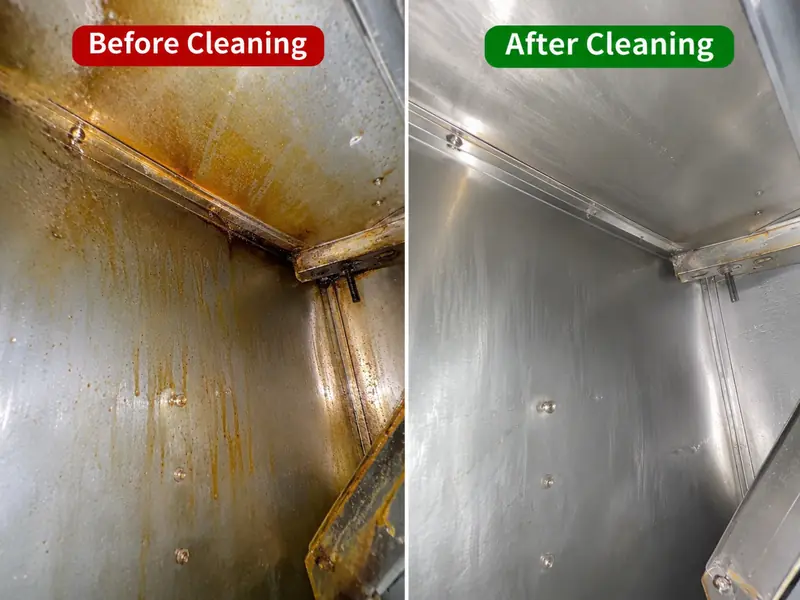
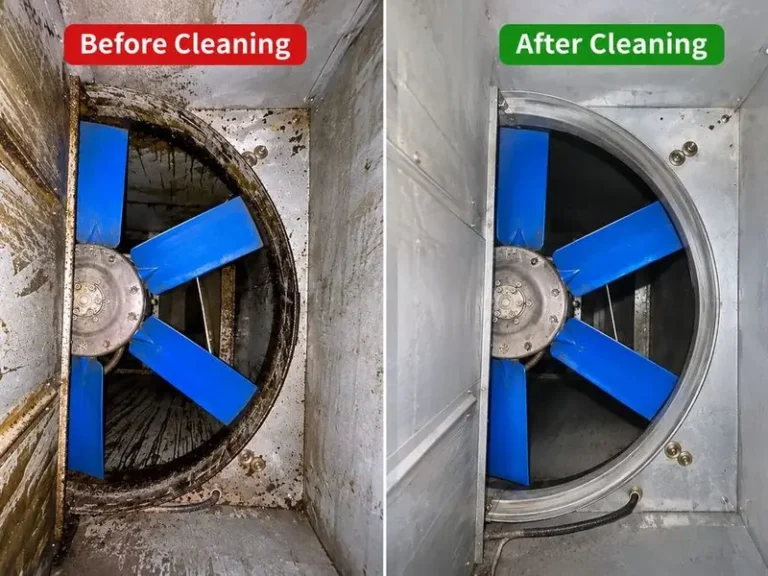
“How often should we get the exhaust cleaned?” is one of the most common questions we hear from Melbourne restaurant owners, café operators and facility managers. The honest answer is that it depends on your kitchen. This guide explains what drives cleaning frequency and how to plan a practical schedule.
Why there is no single answer
Every commercial kitchen exhaust system collects grease at a different rate. A small café heating pastries produces far less airborne grease than a busy takeaway running fryers and a chargrill from lunch to late night. The same system can also change over time as your menu, trading hours or equipment change.
That is why a sensible cleaning schedule is based on how your kitchen actually operates and on the grease found during inspection, rather than on one fixed interval for every business. Industry body AIRAH’s Commercial Kitchen Exhaust Management Best Practice Guide (2022) likewise sets out a basis for deciding ongoing inspection frequencies.
What decides how often you need cleaning
- Cooking style: frying, grilling, wok cooking, chargrilling and solid-fuel cooking produce more grease-laden vapour.
- Cooking volume and hours: long trading hours and high meal counts mean faster build-up.
- Grease filter care: dirty or poorly fitted filters let more grease travel into the plenum and ducts.
- System design and access: long horizontal duct runs, bends and limited access panels can hold more grease.
- Inspection findings and records: what was found last time is the best guide to the next interval.
- Your obligations: applicable Australian Standards such as AS 1851, building requirements such as Victoria’s essential safety measures, lease terms and insurance conditions.
Exhaust cleaning frequency for each part of the system
It helps to think about each part of the kitchen exhaust system separately.
Read how each part is usually planned
Grease filters
Filters are the first line of grease capture and usually need the most frequent attention. High-grease kitchens can need daily or weekly filter cleaning, while lighter kitchens may need less. Follow the filter manufacturer’s instructions. A scheduled grease filter exchange can take this job off your staff.
Canopy and plenum
The canopy interior, plenum (the area behind the filters) and grease gutters are planned around visible build-up and cooking load. Busy restaurant and takeaway canopies often need routine canopy degreasing.
Exhaust ducts
Grease builds up inside ductwork where you cannot see it. Duct cleaning intervals are best set from inspection of accessible sections, especially in frying and chargrilling kitchens.
Rooftop exhaust fan
Grease on fan blades, impellers and housings can affect equipment condition. The fan should be inspected and cleaned as part of the whole system, not left out.
What published guidance says
There is no single interval for every kitchen, but published guidance gives useful reference points:
- Fire services: the restaurant fire safety guidance published with Fire and Rescue NSW recommends routinely cleaning and inspecting range hoods, ducting, grease fans and filters.
- Chubb (insurer): refers to AS 1851 and suggests hoods, filters and gutters at least monthly, and exhaust ductwork at least yearly, more often for intensive use or frequent deep-frying.
- Vero (insurer): suggests filters at least weekly and the duct system at least every six months, with heavy-use kitchens needing more.
Treat these as reference points. Your building’s obligations, your insurer’s conditions and the grease found at each clean should set your final schedule.
How to build a practical cleaning schedule
- Start with an inspection of the accessible canopy, filters, ducts and fan to see the current grease level.
- Agree a starting interval for each component based on your cooking style and hours.
- Record every clean with dates, the areas cleaned, any areas that could not be accessed, and before-and-after photos.
- Review and adjust the interval using what each clean finds: shorten it if heavy grease returns quickly, lengthen it if build-up stays light.
Apex can discuss a preventative maintenance arrangement that follows this approach. Within the agreed scope, we clean all accessible and reachable areas of your kitchen exhaust system and record what was done.
Is once a year enough?
Annual cleaning may form part of some kitchens’ maintenance requirements, but it should not be assumed to be enough for every system. Kitchens with heavy grease production often need more frequent cleaning. Check your obligations under applicable standards, your lease and your insurance policy, and let inspection findings guide the final schedule.
Frequently asked questions
How often should a busy restaurant clean its kitchen exhaust?
Busy restaurants with frying or grilling usually need more frequent cleaning than low-volume kitchens. The right interval depends on cooking volume, grease build-up found during inspection and applicable maintenance obligations.
How often should commercial grease filters be cleaned?
High-grease kitchens can need daily or weekly attention to suitable filters. Follow the filter manufacturer’s instructions and your site procedures, or arrange a scheduled filter exchange.
Can cleaning be scheduled outside trading hours?
After-hours cleaning can be discussed, subject to availability, site access and the work required.
References & further reading
Government, regulator and Standards sources mentioned in this guide (links checked November 2026; requirements can change, so check the current version):
- Chubb Insurance Australia, Commercial kitchens fire protection fundamentals (risk bulletin)
- Vero Insurance (AAI Limited), RM Insight: Cleaning of ducts and flues
- Fire and Rescue NSW, NSW Rural Fire Service, ACT Fire Brigade and ACT Rural Fire Service, Restaurant fire safety
- Standards Australia, AS 1851-2012 Routine service of fire protection systems and equipment
- Australian Institute of Refrigeration, Air Conditioning and Heating (AIRAH), Commercial Kitchen Exhaust Special Technical Group
- Climate Control News, AIRAH releases Commercial Kitchen Exhaust Management Best Practice Guide (Dec 2022 news report)
Need help with your kitchen exhaust? Apex Commercial Exhaust cleans canopies, exhaust ducts, rooftop fans and grease filters for commercial kitchens across Melbourne and Victoria.
This article is general information only and is not legal, insurance or compliance advice. Requirements for your kitchen depend on your system, building and obligations.
On this page
Free quote
Canopy, duct, exhaust fan and grease filter cleaning across Melbourne.
Keep reading
Related Guides
Maintenance
A simple routine your team can follow between professional cleans. Adapt this checklist to your cooking style, equipment and the manufacturer’s instructions.
· 5 min read
Maintenance
Skipping exhaust cleans saves money in the short term. Here is what grease does to canopies, ducts and fans over time, and the knock-on effects for safety, hygiene, inspections and insurance.
· 5 min read
Free quote
Get a Free Commercial Kitchen Exhaust Cleaning Quote in Melbourne
Helping keep your kitchen exhaust system cleaner, better maintained and ready for your next busy service.