
Compliance
Kitchen Exhaust Cleaning and Insurance: What Insurers May Look For
Exhaust cleaning insurance questions are common for food businesses. Insurers take kitchen exhaust fires seriously. Here is what published insurer guidance says about cleaning, and the records that help if your insurer ever asks.
By Apex Commercial Exhaust · · 5 min read
Key takeaways
- Some insurance policies include conditions about kitchen exhaust inspection, cleaning and records.
- Published insurer guidance gives minimum cleaning examples and calls for more in heavy-use kitchens.
- Keep dated reports, photos and service certificates for every clean.
- Confirm your own policy conditions directly with your insurer or broker.
- A cleaning report is a record of work, not an insurance approval.
Kitchen exhaust fires are a known risk for commercial kitchens, and insurers publish guidance on managing them. If you are not sure what your policy expects, this guide explains what to look for and the records worth keeping. It is general information; your own policy wording is what counts.
What published insurer guidance says
Chubb
Refers to AS 1851: hoods, filters and gutters at least monthly; exhaust ductwork at least yearly; more often for intensive use or frequent deep-frying. Recommends cleaning to bare metal by specialist cleaners.
Vero
Filters at least weekly; duct system at least every six months; more often in heavy-use kitchens. Recommends a service agreement and a service certificate for each cleaning program.
These are examples from published risk guidance, not conditions of your policy.
Exhaust cleaning insurance: check your own policy
- Read the property and fire sections of your policy for exhaust or ventilation conditions.
- Ask your broker whether cleaning frequency or certificates are required.
- Ask about suppression systems and extinguisher servicing conditions too.
- Diarise the cleaning interval you agree on.
Records worth keeping
Read the record-keeping checklist
- Date of each clean and the provider’s details
- Components cleaned (canopy, plenum, ducts, fan, filters)
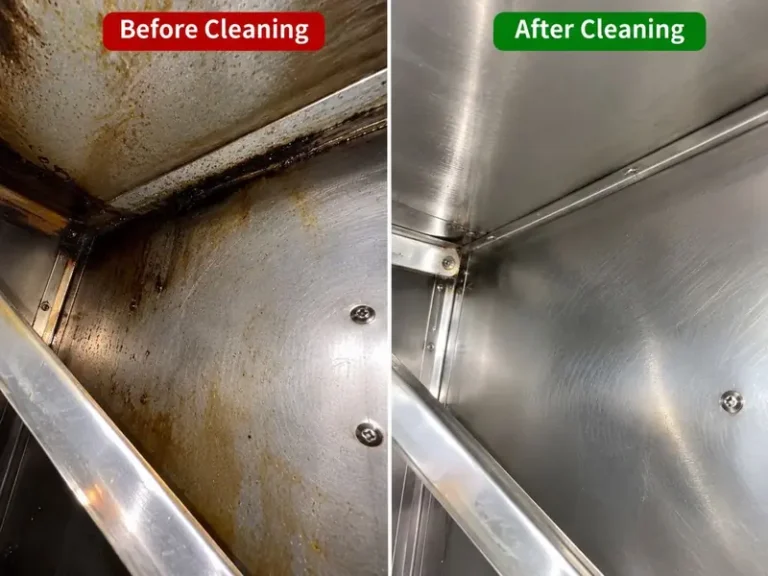
- Before-and-after photographs
- Areas that could not be accessed
- Recommendations and the next suggested clean
- Service certificate or summary, where provided
Within the agreed scope, Apex cleans all accessible and reachable areas of the kitchen exhaust system and can provide photos and a service summary.
What a cleaning report is, and is not
A cleaning report or certificate records the work done. It is not an insurance approval, and it does not by itself establish compliance with every requirement. Confirm your insurer’s requirements directly.
Frequently asked questions
Can poor exhaust maintenance affect my insurance?
Policies may include conditions about inspection, cleaning and records. Failing to meet applicable conditions may affect coverage. Check with your insurer or broker.
Do insurers ask for cleaning certificates?
Some do, or ask for service records. Requirements vary by insurer and policy.
How often do insurers expect cleaning?
It varies. Published examples range from weekly filter cleaning to six-monthly or yearly duct cleaning, with more frequent cleaning for heavy use.
References & further reading
Government, regulator and Standards sources mentioned in this guide (links checked November 2026; requirements can change, so check the current version):
- Chubb Insurance Australia, Commercial kitchens fire protection fundamentals (risk bulletin)
- Vero Insurance (AAI Limited), RM Insight: Cleaning of ducts and flues
- Fire and Rescue NSW, NSW Rural Fire Service, ACT Fire Brigade and ACT Rural Fire Service, Restaurant fire safety
Need help with your kitchen exhaust? Apex Commercial Exhaust cleans canopies, exhaust ducts, rooftop fans and grease filters for commercial kitchens across Melbourne and Victoria.
This article is general information only and is not legal, insurance or compliance advice. Requirements for your kitchen depend on your system, building and obligations.
On this page
Free quote
Canopy, duct, exhaust fan and grease filter cleaning across Melbourne.
Keep reading
Related Guides
Compliance
AS 1851, AS 1668, insurance conditions and lease terms can all affect your kitchen exhaust maintenance. Here is a plain-English overview of how they fit together and the records worth keeping.
· 6 min read
Compliance
Planning a fit-out or checking an existing kitchen? Here is how the National Construction Code, AS 1668 and the food safety standards shape commercial kitchen ventilation in Australia.
· 6 min read
Free quote
Get a Free Commercial Kitchen Exhaust Cleaning Quote in Melbourne
Helping keep your kitchen exhaust system cleaner, better maintained and ready for your next busy service.