
Maintenance
Kitchen Exhaust Maintenance Records: What to Keep and Why
Good records show what was cleaned, when, and what was found. Here is what to keep in your kitchen exhaust file and who may ask to see it.
By Apex Commercial Exhaust · · 5 min read
Key takeaways
- Keep dates, the scope cleaned, before-and-after photos, inaccessible areas and recommendations for each clean.
- Add your in-house filter and gutter checks to the same file.
- In Victoria, owners must keep essential safety measure maintenance records and make them available on request.
- Landlords, insurers and property managers may ask for exhaust cleaning records.
- A cleaning record documents the work; it is not, on its own, a certificate of compliance.

When someone asks “when was the exhaust last cleaned?”, a tidy maintenance file answers in seconds. This guide explains what to keep and who might ask for it.
What to keep for every professional clean
- Date of the clean and the contractor’s details
- Components cleaned: canopy, plenum, ducts, fan, filters
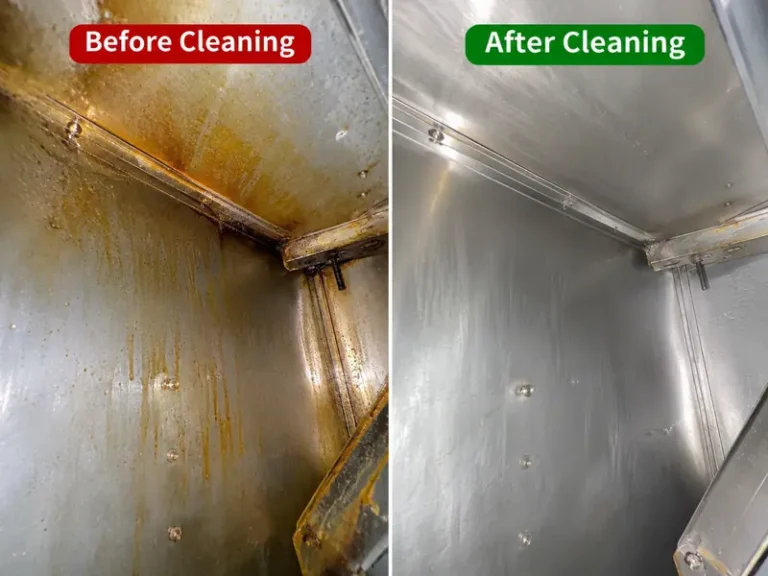
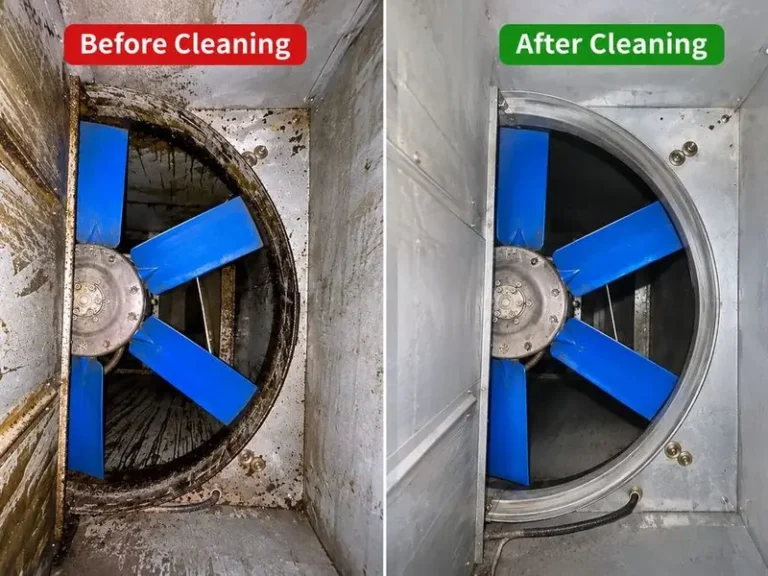
- Before-and-after photographs
- Areas that could not be accessed, and why
- Visible equipment concerns noted during the work
- Recommended date or interval for the next clean
Your in-house log
Add your own filter cleaning or exchange dates, gutter and drip-tray checks, and any reports of smoke, odour or fan noise. Our kitchen exhaust checklist lists the checks worth logging.
Who may ask to see your records?
Building owner or landlord
Leases often set maintenance duties for the exhaust system.
Insurer or broker
Some policies include conditions about exhaust cleaning and records.
Building surveyor or fire authority
For essential safety measures in Victoria, records must be available on request.
Property or facility manager
Multi-tenant sites often track every tenant’s exhaust maintenance.
Victoria: essential safety measure records
Under Part 15 of the Building Regulations 2018, owners of buildings other than houses must maintain essential safety measures, prepare an annual essential safety measures report and keep maintenance records. The Building and Plumbing Commission notes these records must be available within 24 hours of a request from the municipal building surveyor or the fire brigade chief officer.
Is my kitchen exhaust an essential safety measure?
It depends on your building. For buildings built or altered since 1 July 1994, the list of essential safety measures comes with the occupancy permit or certificate of final inspection. Check that list, or ask your building owner or surveyor. Our essential safety measures guide explains more.
Report, record or certificate?
A cleaning report records the work done and what was found. It is useful evidence, but it is not, on its own, formal certification or full regulatory compliance. Apex can include photographic documentation and a service summary in the agreed scope, and within that scope we clean all accessible and reachable areas of the system.
Frequently asked questions
How long should I keep kitchen exhaust records?
Keep them for as long as your lease, insurer or building obligations require. Many operators keep the full history while they occupy the premises.
Should records be digital or paper?
Either works if you can find them quickly. A shared folder with photos and PDF reports makes it easy to answer a request.
Do you provide photos with every clean?
Before-and-after photos can be included in the agreed service scope; confirm when you book.
References & further reading
Government, regulator and Standards sources mentioned in this guide (links checked November 2026; requirements can change, so check the current version):
- Building and Plumbing Commission, Victoria (formerly the Victorian Building Authority), Essential safety measures (building owner guide)
- Victorian Legislation, Building Regulations 2018 (Vic), Part 15: Maintenance of essential safety measures
- Standards Australia, AS 1851-2012 Routine service of fire protection systems and equipment
Need help with your kitchen exhaust? Apex Commercial Exhaust cleans canopies, exhaust ducts, rooftop fans and grease filters for commercial kitchens across Melbourne and Victoria.
This article is general information only and is not legal, insurance or compliance advice. Requirements for your kitchen depend on your system, building and obligations.
On this page
Free quote
Canopy, duct, exhaust fan and grease filter cleaning across Melbourne.
Keep reading
Related Guides
Maintenance
Grease builds up quietly inside canopies, ducts and fans. These seven signs suggest it is time to book an inspection and clean, plus what not to do while you wait.
· 5 min read
Maintenance
A simple routine your team can follow between professional cleans. Adapt this checklist to your cooking style, equipment and the manufacturer’s instructions.
· 5 min read
Free quote
Get a Free Commercial Kitchen Exhaust Cleaning Quote in Melbourne
Helping keep your kitchen exhaust system cleaner, better maintained and ready for your next busy service.